


Introduction
Planning what to wear on a trip can be as exciting as choosing the destination itself. The right clothes help you feel confident, comfortable, and photo ready. In the first days of packing, many people feel confused about which pieces to carry and how much is enough. This is where thoughtful holiday outfit ideas become truly useful. By understanding weather, activities, and personal style, you can build looks that are practical and attractive at the same time.
This guide is written in simple language and focuses on clear steps. Beginners and intermediate fashion lovers will find easy advice, while regular travelers can refresh their approach. Throughout this article, holiday outfit ideas will appear in real situations such as beach vacations, city tours, and winter escapes. After reading, you will be able to plan outfits without rush, save luggage space, and still enjoy great style.
What is Holiday Outfit Ideas?
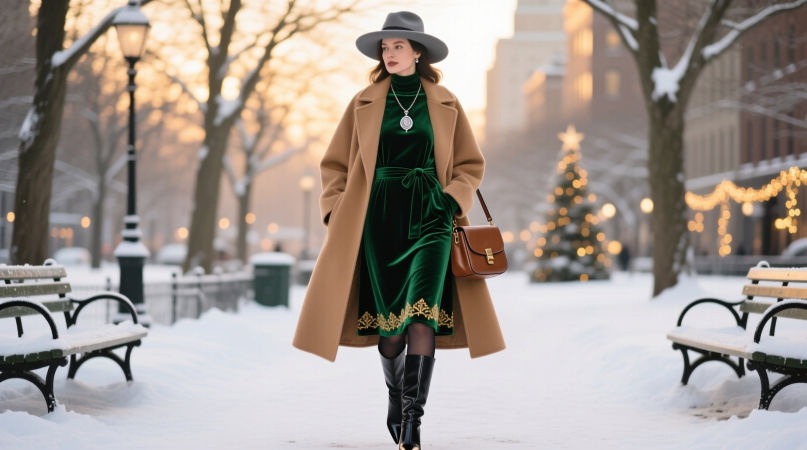
Holiday outfit ideas are planned clothing combinations designed specially for vacations and celebrations. They include everyday sightseeing outfits, evening looks, and comfortable travel clothing. These ideas help you match clothes with the location, season, and cultural setting of your trip. Instead of packing random items, you follow a clear plan that connects tops, bottoms, shoes, and accessories.
In simple terms, holiday outfit ideas give structure to your wardrobe decisions. They turn packing into an organized activity rather than a last minute struggle. Whether the trip is short or long, having planned outfits reduces stress, prevents overpacking, and keeps your look consistent in photos and gatherings.
Why is Holiday Outfit Ideas Important?
Holiday outfit ideas are important because clothes affect comfort, confidence, and the overall travel experience. The wrong outfit can make walking difficult, cause weather discomfort, or limit participation in activities. On the other hand, the right outfit supports movement, matches the climate, and respects local customs.
Additionally, planning outfits in advance saves time during the trip. Instead of standing in front of a suitcase every morning, you already know what to wear. This allows you to enjoy moments with family and friends. Well planned clothing also helps you appear neat in pictures, which many travelers value as lasting memories. In short, holiday outfit ideas connect style with convenience.
May be you like it:
Trendy Hats & Caps: The Ultimate Beginner and Intermediate Guide
Belts & Scarves: A Complete Style Guide for Beginners
The Complete Beginner-Friendly Guide to Shoes & Footwear
Step-by-Step Guide to Creating Holiday Outfit Ideas
Step 1: Study Your Destination and Weather
The first step is understanding the place you are visiting. A beach requires different clothing from a mountain town. Check average temperatures, expected rain, and cultural dress rules. Warm destinations call for breathable fabrics, while cold regions require layers such as jackets, sweaters, and scarves. When you know the environment, you avoid packing outfits that you will never use.
Step 2: List Your Main Activities
Every trip includes activities like city walking, dinners, adventure sports, or family events. Write these down before packing. Then match each activity with suitable clothing. For example, long sightseeing days need comfortable shoes, while evening events may require a smarter outfit. Linking clothes to activities ensures that you always have the right option available.
Step 3: Choose a Simple Color Palette
A limited color palette allows you to mix and match clothing items. Neutral shades such as black, white, beige, navy, and gray combine easily. Adding one or two accent colors keeps outfits lively without confusion. This method lets you create several looks from fewer pieces, which is helpful for light travel luggage.
Step 4: Select Versatile Clothing Items
Choose pieces that work in more than one situation. Examples include a denim jacket, plain T shirts, maxi dresses, chinos, and lightweight cardigans. Such items can shift from day to night with different accessories. Versatile clothing is the heart of practical holiday outfit ideas because it reduces bulk while increasing choice.
Step 5: Plan Layering for Changing Weather
Weather can change quickly during holidays. Layering keeps you ready for both warm afternoons and cool evenings. Start with breathable base layers, add mid layers like sweaters, and finish with protective outerwear. This structure keeps you comfortable without constantly changing full outfits.
Step 6: Pay Attention to Comfortable Footwear
Shoes influence your travel experience more than most people expect. Walking tours require cushioned, supportive footwear. Beach trips call for sandals, while winter holidays need insulated boots. Try to break in new shoes before travel to avoid discomfort. Comfort should always come before appearance.
Step 7: Add Accessories Thoughtfully
Accessories can transform simple clothing into stylish outfits. Scarves, hats, belts, sunglasses, and light jewelry add personality without taking much suitcase space. However, avoid packing too many items because they add unnecessary weight. Choose a few reliable pieces that match most outfits.
Step 8: Pack Smartly and Test Outfits
After selecting items, place them together on a bed or rack and check whether combinations work. This quick test shows if anything important is missing. Rolling clothes instead of folding can save space and reduce wrinkles. A packing list on paper or phone keeps everything organized.
Benefits of Holiday Outfit Ideas
- Reduces stress while packing and traveling
- Saves luggage space through mix and match clothing
- Improves comfort during long travel days
- Helps you dress respectfully in different cultures
- Builds confidence through neat and coordinated looks
- Makes photo memories more visually pleasing
- Supports better budgeting by avoiding unnecessary shopping
Disadvantages or Risks
- Overplanning may limit spontaneous fashion choices
- Buying new outfits only for holidays can increase expenses
- Following trends too strictly may reduce personal comfort
- Packing too light may leave you unprepared for weather changes
Common Mistakes to Avoid
One common mistake is packing without a plan. Many people throw random clothes into their suitcase and later realize that nothing matches. Another mistake is ignoring weather conditions. Light outfits in cold destinations or heavy clothes in tropical areas cause discomfort immediately.
Wearing brand new shoes for long walks is another frequent error. They may look stylish but can cause pain or blisters. Some travelers also forget cultural norms and wear clothing that is not appropriate for certain places. Finally, many people pack too many single use statement pieces instead of versatile basics.
May be you like it:
Bags & Purses: A Complete Beginner’s Guide
Fashion Accessories: The Complete Beginner-Friendly Guide
Statement Jewelry: A Complete Beginner and Intermediate Guide to Bold Accessories
FAQs
1. How many outfits should I pack for a one week holiday?
For a seven day holiday, plan three to four main daytime outfits, two evening looks, sleepwear, and enough undergarments. Focus on pieces that can mix and match. Laundry availability and climate may change the final number.
2. What should I wear on a long flight or road trip?
Choose soft, breathable fabrics such as cotton or blends. Stretch pants, relaxed tops, and a light jacket work well. Layering keeps you ready for changing temperatures inside vehicles or airports. Comfortable shoes are essential.
3. Are holiday outfit ideas different for city and beach trips?
Yes, city trips often require closed shoes and smart casual outfits, while beach trips focus on light fabrics, sandals, and sun protection. However, both benefit from versatile layering pieces and neutral colors that combine easily.
4. How can I stay stylish with a small suitcase?
Select a color palette, choose multipurpose items, and rely on accessories for variety. Neutral basics combined with one or two statement pieces can create many distinct looks without carrying heavy luggage.
5. What fabrics are best for warm weather holidays?
Breathable fabrics such as cotton, linen, rayon, and moisture wicking blends are ideal. They allow air flow and reduce discomfort from sweat. Avoid thick synthetic materials that trap heat.
6. Do I need different holiday outfit ideas for each season?
Yes, seasons influence fabric weight, layering needs, and footwear choices. Winter requires insulation, while summer prefers airy clothing. Still, the planning principles remain the same across all seasons.
Expert Tips and Bonus Points
Plan outfits starting from footwear because shoes define comfort limits. Keep emergency items like a compact rain jacket or shawl in your day bag. Take clear photos of planned outfits before travel so you can remember combinations easily. Another helpful tip is to leave a little space in your luggage for souvenirs or local clothing purchases.
If traveling with family, coordinate broad color themes rather than identical outfits. This looks balanced in group photos while allowing personal style. Always try on full outfits at home to check fit and comfort. Finally, remember that confidence is the strongest accessory you can wear.
Season-Based Outfit Planning
Summer Trips
Summer travel usually involves light packing. The focus stays on breathable fabrics and sun protection. Loose shirts, shorts, skirts, and airy dresses allow movement and keep the body cool. A wide brim hat and sunglasses reduce sun exposure during midday outdoor activities. Comfortable sandals or lightweight sneakers make long walks easier. Since evenings may still feel warm, one thin layer such as a cotton shirt is usually enough. Hydration and sunscreen complement clothing choices for overall comfort.
Winter Holidays
Cold weather trips require strategy. Instead of wearing a single thick layer, combine several thin layers to trap heat. Thermal innerwear, sweaters, and insulated jackets build effective warmth without excessive weight. Gloves, scarves, and beanies protect exposed areas that lose heat quickly. Waterproof boots help in snowy or rainy conditions and also provide traction on slippery surfaces. Choosing darker colors can hide stains from slush or mud. Remember to remove damp items promptly so they dry overnight.
Spring Travel
Spring brings changing temperatures and sudden rain. A light waterproof jacket becomes an essential piece. Pairing jeans or trousers with breathable tops works for most days. On cooler mornings and evenings, add a cardigan or light sweater. Floral or pastel shades naturally suit the season, though color is always a personal preference. Packing a compact umbrella prevents outfit problems during surprise showers.
Autumn Getaways
Autumn is known for rich colors and mild weather. Layering again plays a central role. Long sleeve tops, mid weight jackets, and ankle boots are practical choices. Scarves serve both warmth and style purposes. Fabrics like cotton blends and soft wool provide comfort without heaviness. Since daylight hours are shorter in many places, reflective or lighter colored outer layers help with visibility during evening walks.
Destination-Based Outfit Examples
Beach Destinations
For beach locations, swimwear is only one part of clothing planning. Cover ups, loose pants, kaftans, and breathable shirts help you move comfortably between hotels, cafes, and seaside spots. A large tote bag can carry towels, sunscreen, and water bottles. Flip flops work on sand, while comfortable sandals are better for nearby markets or boardwalks. Saltwater can affect fabrics, so rinse clothing after use to maintain quality.
City Breaks
City trips often include museums, restaurants, and public transport. Smart casual clothing fits most situations. Think of well fitted jeans or trousers, neat tops, and a versatile jacket. Comfortable walking shoes remain important because urban sightseeing involves many steps. A compact crossbody bag keeps essentials safe and allows hands free movement. Evening plans such as theater visits may require a slightly dressier layer, which can be added easily with accessories.
Mountain and Countryside Trips
Nature destinations involve uneven paths and temperature drops after sunset. Active wear with stretch and durability works best. Full length trousers protect from scratches or insects. A wind resistant jacket is useful on viewpoints or open hillsides. Always carry an extra layer in your backpack because weather changes quickly at higher altitudes. Even in warm seasons, mornings can feel cool, so planning ahead prevents discomfort.
Building a Capsule Travel Wardrobe
A capsule wardrobe is a small, carefully selected collection of clothing that creates many combinations. To build one, start with core items such as two bottoms, three tops, one outer layer, and flexible footwear. Make sure each piece matches at least two others. Add one statement item like a patterned shirt or bold jacket for variety. This method keeps suitcases light while still offering numerous outfit options.
When choosing capsule items, think about fabric care. Wrinkle resistant materials save time, especially when ironing is not available. Neutral colors help combinations multiply, but personal style should never be ignored. The goal is balance between expression and practicality.
Accessory Planning in Detail
Accessories take minimal space yet change the overall look. Belts can reshape loose dresses or long tops. Scarves add warmth and also work as head covers in windy areas. Lightweight jewelry elevates evening looks without needing entirely new clothes. Sunglasses protect eyes and add polish to daytime outfits. However, avoid carrying valuables that would cause worry during outings. Simplicity supports relaxation on trips.
Grooming and Clothing Maintenance While Traveling
Neat clothing looks better regardless of brand or price. Carrying a small fabric freshener spray or stain removing wipes can save an outfit after accidental spills. Hanging clothes in bathrooms while shower steam rises helps reduce wrinkles. Folding laundry immediately after drying keeps suitcases tidy. A small sewing kit can fix loose buttons or tiny tears, preventing the need for sudden shopping.
Footwear care also matters. Allow shoes to air overnight and remove trapped moisture with tissue or paper if they get wet. Comfortable socks appropriate to climate reduce friction and fatigue during long days of walking.
Budget Conscious Styling
Looking good during travel does not demand expensive shopping. Reusing and creatively combining existing clothing saves money. Thrifting or borrowing for special events is another smart option. Before purchasing anything new, ask whether the item can be worn in multiple ways after the trip. Prioritizing durable basics over trend heavy pieces extends value.
Sales can be helpful, but impulse buys increase luggage weight and expenses. Making a focused list before visiting stores protects your budget. Responsible spending keeps the main purpose of holidays, enjoyment and relaxation, at the center.
Sustainable Clothing Choices
Sustainability in clothing means reducing environmental impact. Choosing long lasting fabrics, repairing minor damage, and donating unused items all contribute positively. Renting occasion wear for parties or cruises prevents one time use waste. Washing clothes in cool water and air drying when possible saves energy during trips with access to laundry.
Buying fewer but better quality pieces also supports sustainability. It encourages thoughtful decisions instead of quick trend following. Over time, this approach builds a wardrobe that serves many trips in different seasons.
Confidence and Body Comfort
True style is about feeling at ease in what you wear. Clothing should allow movement, breathing, and natural posture. Avoid items that cause constant adjusting or discomfort. Confidence grows from comfort and authenticity rather than comparison with others. Choose fits and fabrics that support your daily activities on the trip.
Good grooming, positive posture, and a friendly smile enhance any outfit. These small elements influence how outfits are perceived in photos and real life interactions during travel.
Sample Packing List for a Five Day Trip
A balanced packing plan for five days may include:
- Two pairs of trousers or skirts
- Three to four tops
- One light sweater or jacket
- One dressy evening option
- Sleepwear
- Underwear and socks for each day
- One pair of walking shoes and one alternative pair
- Weather specific items such as swimwear or thermal layers
- Basic toiletries and personal care items
- Simple accessories like a scarf and belt
Adjust this list based on destination and planned activities. The aim is to stay prepared without carrying unnecessary items.
Adapting to Last Minute Plan Changes
Plans sometimes change during holidays. A beach day might turn into a city tour due to weather conditions. Flexible clothing such as neutral tops, layered dresses, and multi use jackets helps you adapt easily. Keeping one spare outfit in your day bag during long excursions is also practical. Adaptability removes stress from sudden schedule shifts.
Photograph Ready Styling
Many travelers enjoy capturing memories. Preparing clothes the night before avoids rushed dressing and wrinkled garments in pictures. Solid colors often photograph clearly, while very busy patterns may distract from faces in group shots. Coordinating tones in family photos, without exact matching, creates harmony. Still, the most important element of good photos remains genuine enjoyment of the moment.
Health and Safety Considerations
Clothing choices can support personal safety. Sun protective hats, breathable fabrics, and comfortable closed shoes reduce risks of fatigue or minor injury. In crowded areas, crossbody bags worn in front are often safer than open totes. Reflective elements or lighter colors improve visibility at dusk. During winter trips, avoid staying in damp clothing for long periods to protect health.
Developing Personal Style Over Time
Style evolves slowly through experience. Each trip teaches lessons about what worked well and what remained unused. After returning home, review your packing list and adjust it for future travels. Keep notes about fabrics, shoes, or layering methods that felt most comfortable. Over time, packing becomes faster and more accurate, and dressing for different situations feels natural.
By applying these ideas, you create a practical, confident, and organized approach to clothing for every journey.
Conclusion
Holiday outfit ideas give structure and creativity to your travel wardrobe. When you plan in advance, you remove stress from packing and avoid heavy suitcases. More importantly, you dress suitably for weather, culture, and activities, which leads to a smoother and happier trip. Clothing becomes a helpful tool rather than a daily question mark.
In conclusion, thoughtful planning does not limit your style; instead, it opens possibilities. You learn how to use fewer pieces in smarter ways and discover what truly matches your personality. Whether you are preparing for a beach escape, winter adventure, or city break, holiday outfit ideas guide you toward comfort, confidence, and memorable travel moments. Pack with intention, review your plans, and enjoy every journey with relaxed style all the way.
May be you like it:
How to Accessorize: A Complete Beginner-Friendly Guide
Personal Style Guide: Build a Look That Truly Feels Like You
Wardrobe Essentials: A Complete Beginner-Friendly Guide to Building a Smart Closet
