


Introduction
Trends in fashion change quickly, yet some accessories never lose their charm. Among them, hats and caps stand out because they combine style, comfort, and personality in a single item. Whether you want sun protection, a confident streetwear look, or simply a fresh way to complete an outfit, trendy hats & caps can do a lot of work for you. In this guide, we keep the language simple and practical so beginners and intermediate readers can learn with ease.
A deeper guide for electronic music production is available here: Ableton Live.
In the first 100 words you have already met the main topic, and you will see how flexible it is across seasons and occasions. From casual baseball caps to elegant wide-brim hats, the world of headwear offers creative options for every face shape and wardrobe. As you read on, you will discover types, styling ideas, common mistakes, and expert tips. By the end, you will feel confident choosing, wearing, and caring for trendy hats & caps without confusion.
What is Trendy Hats & Caps?
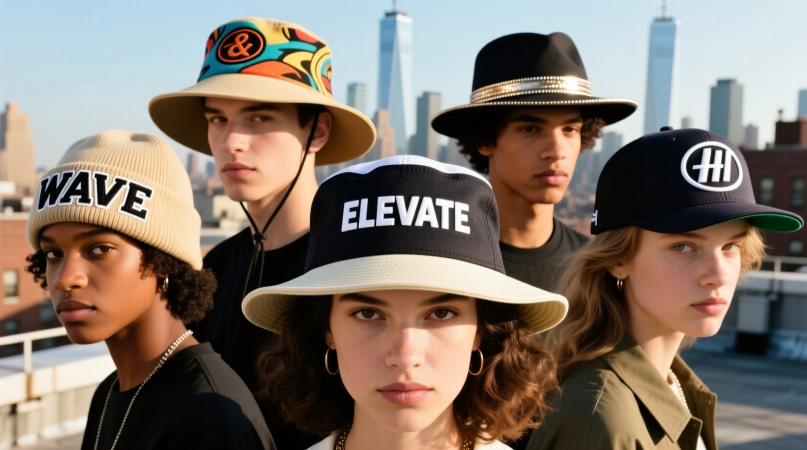
Trendy hats & caps refer to headwear styles that are currently popular and widely worn. They include both classic designs that have returned to fashion and new interpretations created by modern designers. These items are not just functional. They can highlight your taste, express mood, and even become a main focus of your outfit.
Hats usually feature brims or structured crowns, while caps often have soft bodies with visors. However, the border between the two categories is flexible today. Bucket hats, snapbacks, beanies, fedoras, sun hats, trucker caps, and berets are all part of the larger family. When people talk about trendy hats & caps, they usually mean styles that are easy to pair with everyday clothing and look current rather than outdated.
Why is Trendy Hats & Caps Important?
Trendy hats & caps are important because they bring together practicality and style. First, they protect your head and face from sunlight, wind, and light rain. Second, they help you manage bad hair days or add balance when an outfit feels too plain. Moreover, they allow personal expression without needing to change your whole wardrobe.
In addition, headwear can create visual proportion. A tall crown can add height, while a wide brim can soften strong features. Many people use hats and caps to signal interests such as sports, music, or travel. Therefore, learning about trendy hats & caps helps you build a flexible wardrobe that works across school, work, outdoor activities, and casual hangouts.
May be you like it:
Mix & Match Outfits: A Complete Beginner-Friendly Guide
Belts & Scarves: A Complete Style Guide for Beginners
The Complete Beginner-Friendly Guide to Shoes & Footwear
Detailed Step-by-Step Guide
In this step-by-step guide, you will learn how to choose, style, and care for trendy hats & caps in a simple order. Follow the steps, and you will avoid confusion and enjoy the process.
Step 1: Understand Different Types
Begin by knowing the basic types:
- Baseball caps – casual, sporty, and easy to wear daily
- Snapbacks – flat-brim caps with adjustable backs, often seen in street style
- Beanies – soft knitted headwear ideal for cooler weather
- Bucket hats – downward brims offering relaxed, playful vibes
- Fedora hats – structured crowns and medium brims for smart-casual outfits
- Sun hats – wide brims that give strong shade during sunny days
- Berets – soft round hats that add artistic and classic charm
- Trucker caps – mesh-backed caps with breathable panels
Knowing types makes it easier to choose the right option instead of buying randomly.
Step 2: Choose the Right Size and Fit
A good hat or cap should feel comfortable. It should not press your forehead too tightly or slide around when you move. Measure your head or try different sizes to see what fits best. Adjustable straps or elastic bands help when your size changes slightly due to hairstyle.
Remember, fit affects confidence. Even the most fashionable design looks wrong when it does not sit correctly. A balanced fit sits level on your head and does not leave deep marks on the skin.
Step 3: Match with Face Shape
Face shape matters more than many people think. Here are simple guidelines:
- Round faces work well with angular caps, structured crowns, or taller shapes
- Square faces balance nicely with curved brims and softer materials
- Oval faces suit almost any style, making experiments easier
- Heart-shaped faces look great with medium brims that add width near the jaw
Treat these as suggestions, not strict rules. Try different trendy hats & caps and see what feels best for you in real life.
Step 4: Coordinate with Outfits
Next, think about clothing. Neutral hats blend with many outfits, while bold colors become statement pieces. For example, pair a black baseball cap with jeans and a hoodie for daily wear. Or combine a straw sun hat with a summer dress for vacations.
Keep materials consistent with seasons. Wool or felt works best in winter, while cotton and straw remain comfortable in warm months. Coordination helps your hat look intentional instead of accidental.
Step 5: Consider Occasions
Not every style fits every place. A structured fedora may look odd at sports practice, just as a bright snapback may seem too casual for formal events. Consider:
- School or college
- Outdoor travel
- Beaches and picnics
- Semi-formal gatherings
- Streetwear photos or casual meetups
Choosing trendy hats & caps based on occasion saves you from awkward fashion choices.
Step 6: Learn Basic Styling Techniques
Small styling choices make a big difference. Tilt the brim slightly, tuck some hair behind the ear, or leave bangs loose for a relaxed look. With caps, adjust the strap so the visor frames your face without covering your eyes.
For long hair, ponytails through the back opening of caps are practical. For short hair, beanies and berets highlight facial features nicely. Practice in front of a mirror until it feels natural.
Step 7: Care and Maintenance
Good care keeps your headwear looking new. Brush felt hats gently, reshape brims while they are slightly warm from steam, and let wet hats dry naturally away from direct heat. Many caps can be wiped with a damp cloth. Always read care labels before washing.
Store hats on stands or fill crowns with tissue to help them keep shape. Avoid crushing them under heavy objects in bags. Proper care extends the life of your trendy hats & caps and saves money over time.
Benefits of Trendy Hats & Caps
Some key benefits include:
- Protection from sun and light weather
- Quick style upgrade without buying many clothes
- Boost in confidence and personal expression
- Flexibility for casual and semi-formal outfits
- Variety of designs to match different personalities
- Useful for travel, sports, and daily routines
Disadvantages / Risks
Though helpful, there are a few drawbacks:
- Wrong size can cause discomfort or headaches
- Poor-quality materials may irritate sensitive skin
- Overuse can flatten hair temporarily
- Bright logos may clash with simple outfits
- Some settings do not allow hats indoors
- Extreme tightness may leave pressure marks
Common Mistakes to Avoid
People often repeat the same mistakes when buying or wearing headwear. Avoid these:
- Choosing style without checking size
- Ignoring face shape and proportions
- Wearing dirty or wrinkled hats
- Forgetting occasion-appropriate choices
- Matching too many bold items at once
- Storing hats carelessly, causing damage
Another mistake is thinking only expensive brands look good. In reality, simple and well-fitting trendy hats & caps often look better than costly but uncomfortable ones.
May be you like it:
Bags & Purses: A Complete Beginner’s Guide
Fashion Accessories: The Complete Beginner-Friendly Guide
Statement Jewelry: A Complete Beginner and Intermediate Guide to Bold Accessories
FAQs
1. Are trendy hats & caps suitable for daily wear?
Yes, they are perfect for daily wear when chosen correctly. Pick breathable fabrics for warm weather and softer materials for cooler days. Neutral colors also help you repeat them more often without looking the same every time.
2. Can I wear hats if I have curly or thick hair?
Absolutely. Choose adjustable caps or stretchy beanies. You may also look for deeper crowns so your hair sits comfortably. Avoid forcing tight fits, and use gentle hairstyling to prevent unnecessary pulling.
3. How do I clean my hats and caps safely?
Check the label first. Many fabric caps can be spot-cleaned with mild soap. Felt or wool hats often need brushing instead of washing. Always air-dry and avoid hot dryers so the shape does not shrink.
4. Which hats are best for sun protection?
Wide-brim sun hats, bucket hats, and some caps with longer visors offer better shade. Combine them with sunscreen for extra care during strong sunlight. Light colors reflect heat and feel cooler on hot days.
5. Are hats acceptable in formal or semi-formal events?
Some structured hats like fedoras or elegant berets can fit semi-formal settings if coordinated well. However, always consider cultural or event rules. When unsure, carry your hat and observe what others do.
6. How many hats or caps should a beginner own?
Start with two to four pieces. For example, one neutral baseball cap, one beanie for cold weather, one bucket hat for casual outings, and one smarter option like a fedora. Later, expand your collection based on your lifestyle.
Expert Tips & Bonus Points
- Try before buying whenever possible, or measure carefully for online orders
- Keep at least one neutral and one statement piece in your collection
- Avoid over-decorated designs if you prefer long-term use
- Use soft brushes, not rough tools, for cleaning delicate materials
- Rotate pieces so they last longer and keep their shape
- Photograph outfits to see which trendy hats & caps flatter you most
- Learn basic color combinations to avoid clashing tones
- Invest slightly more in one high-quality everyday hat
These bonus ideas make styling less stressful and more enjoyable.
Understanding Materials and Seasons
Material strongly affects comfort, durability, and look. Cotton is breathable and soft, which makes it excellent for daily caps and summer wear. Straw is extremely light and common in beach hats because it lets air pass through. Wool and felt trap warmth, keeping you comfortable during colder months. Blended fabrics mix benefits, such as stretch, moisture control, and shape retention.
Choosing season-appropriate material prevents overheating or feeling too cold. For example, a thick wool beanie in midsummer will feel uncomfortable, while a thin straw hat in winter will not provide warmth. Match material to climate, and you will automatically improve your style and comfort.
Color and Pattern Selection
Color choices communicate mood. Neutrals like black, beige, gray, and navy work in many outfits and reduce decision stress in the morning. Bright colors such as red, yellow, or turquoise add energy and attract attention. Patterns like plaid, floral, camouflage, or stripes can create playful or bold looks when used thoughtfully.
A helpful approach is to repeat a color already present in your outfit, such as shoes or a bag. This repetition ties everything together. If your clothing already includes many prints, consider a solid-color cap or hat to maintain visual balance.
Building a Small but Powerful Collection
You do not need dozens of pieces to look stylish. A focused mini-collection works surprisingly well. Try the following plan:
- One neutral everyday cap
- One weather-protective option such as a sun hat or warm beanie
- One statement piece with color or pattern
- One smarter structured hat for special occasions
This mix covers school, travel, sports, and semi-formal outings. As you learn your preferences, you can expand or replace items rather than buying randomly.
Styling Ideas for Different Outfits
Hats and caps change with outfits. Pair a denim jacket with a simple cap for a relaxed weekend look. Combine an oversized sweater with a soft beanie to create cozy style in colder weather. Match a flowy summer dress with a wide-brim straw hat for vacations or outdoor photos. Streetwear lovers can wear snapbacks or trucker caps with hoodies and sneakers.
When outfits are already bold, choose simpler headwear to avoid visual overload. When clothing is minimal, a statement hat can add excitement without extra layers.
Budget and Shopping Tips
You can look fashionable without overspending. Here are smart shopping strategies:
- Set a spending limit before visiting stores
- Try items in natural light to see true color
- Check stitching, seams, and inner bands for quality
- Pick versatile colors first, then experiment
- Read return policies for online purchases
- Prioritize comfort over logos or trends
Sales seasons, secondhand markets, and family swaps are also useful ways to explore styles while saving money.
Sustainability and Care for the Planet
Fashion impacts the environment, and headwear is no exception. Choosing durable, long-lasting hats reduces waste. Natural fibers like cotton, wool, and straw are often more eco-friendly when sourced responsibly. Reusing, repairing, and donating pieces extends their life cycle and supports sustainability.
Instead of throwing away slightly misshapen hats, learn basic reshaping techniques or seek local repair services. Taking care of your items benefits both your wallet and the planet.
Cultural and Social Etiquette
In some places or situations, wearing hats indoors may be considered impolite. Schools, religious spaces, and formal ceremonies sometimes have rules. It is always respectful to observe local customs and follow instructions from teachers, hosts, or event organizers.
Removing your hat when needed shows awareness and maturity. Understanding etiquette helps you enjoy fashion while staying considerate.
Step-by-Step Outfit Coordination Examples
To make things even clearer, here are simple examples:
- Beach day: straw sun hat, light T-shirt, shorts, sandals
- Winter walk: wool beanie, scarf, coat, boots
- Casual study session: baseball cap, sweatshirt, jeans, sneakers
- Semi-formal lunch: structured hat, blazer, tailored trousers or skirt
These examples show how easily headwear fits daily life without effort.
Advanced Styling Techniques
Once you feel comfortable, experiment more:
- Layer hairstyles such as braids or low buns with caps
- Pin berets slightly to the side for a classic look
- Steam felt hats lightly to reshape brims
- Mix textures, like denim outfits with felt hats
- Use hat bands or minimal pins to personalize pieces
The goal is to explore, not copy others exactly. Personal comfort should guide your choices above every rule.
How to Store Your Collection
Storage matters as much as styling. Keep hats away from moisture and direct sunlight to prevent fading. Use shelves, hooks, or dedicated boxes to protect shape. For wide-brim hats, place them crown-down rather than on the brim to avoid warping.
Caps can be stacked gently or clipped using hangers designed for headwear. Label boxes if you own several seasonal items so you can find them quickly when weather changes.
When to Replace or Upgrade
Even well-loved items eventually wear out. Signs include cracked brims, peeling inner bands, strong odors that do not wash out, or faded colors beyond repair. Replacing worn pieces keeps your appearance neat and hygienic.
Upgrading may also mean choosing better materials, improved fit, or more versatile colors as your style matures. Treat each new purchase as part of a longer journey rather than a quick impulse.
Who Can Wear Hats and Caps?
Anyone can wear them. They are gender-neutral accessories suitable for different ages and personal styles. Students, professionals, travelers, and athletes all use headwear in practical and creative ways. The key is confidence and comfort rather than strict rules about who “should� or “should not� wear certain designs.
This inclusive approach encourages experimentation and helps people express identity through simple fashion choices.
A Brief History and Evolution of Headwear Trends
Headwear has existed for thousands of years. In ancient times, hats were used for protection from weather and to show status or occupation. Farmers wore wide-brim designs for shade, while royalty and leaders used decorated crowns or structured forms to signal authority. Over centuries, practical needs blended with fashion, and new shapes appeared with changes in culture and technology.
During the twentieth century, caps became closely linked with sports and youth culture. Movie stars and musicians also influenced how people wore hats, turning simple designs into global trends. In recent years, social media has accelerated this process. A single photo can introduce a forgotten style to an entirely new generation in a matter of days.
Today, designers rethink classic shapes using lighter materials, sustainable methods, and inclusive sizing. The result is a market rich with choice, where functional head protection meets personal expression. Understanding this history helps you appreciate why modern styles feel both familiar and fresh at the same time.
How to Measure Your Head Size Easily
Finding the right size is easier than it seems. Use a soft measuring tape and wrap it around your head where a hat normally rests: slightly above the eyebrows and ears. Keep the tape level all the way around and avoid pulling too tightly. Note the measurement in centimeters or inches.
Compare your result with the size chart provided by the brand. If you are between two sizes, choose the larger one for comfort, especially in warmer weather when slight swelling can occur. Recording your size helps when shopping online or gifting headwear to others.
Conclusion
Trendy hats & caps offer more than simple decoration. They protect, express personality, and add structure to outfits with minimal effort. When you understand types, face shapes, occasions, and care methods, choosing the right piece becomes easy rather than confusing.
This guide has walked you through definitions, benefits, risks, steps, mistakes, and expert suggestions in clear language. Now the next move is yours. Start with a style you like, use the tips, and gradually build confidence. With practice, trendy hats & caps will become natural parts of your wardrobe, helping you look stylish and feel comfortable in everyday life.
May be you like it:
How to Accessorize: A Complete Beginner-Friendly Guide
Personal Style Guide: Build a Look That Truly Feels Like You
Wardrobe Essentials: A Complete Beginner-Friendly Guide to Building a Smart Closet
