


Introduction
Learning how to accessorize can completely change the way your outfit looks and feels. In the early stages of building personal style, many people focus only on clothes. However, the real magic often appears when you add the right fashion accessories. When you understand balance, color, and proportion, accessories help you express personality without saying a word. This guide explains how to accessorize in simple English so you can enjoy styling without stress.
Accessories do not need to be expensive or complicated. Small choices such as earrings, bags, or a watch can transform simple clothes into something polished and confident. Whether you are getting dressed for school, college, work, or a special event, thoughtful outfit accessories will help you stand out in a natural way. In the next sections, you will learn clear steps, common mistakes to avoid, and smart styling ideas suitable for beginners and intermediate readers. By the end, you will feel ready to create looks that reflect your taste with ease and enjoyment.
What is Accessorizing?
To explain how to accessorize, it helps to first understand accessorizing itself. Accessorizing means the process of selecting, combining, and wearing accessories to complete an outfit. Accessories include items such as jewelry, scarves, belts, hats, bags, hair accessories, sunglasses, and watches. They add detail, color, structure, and personality to clothing. Instead of replacing your wardrobe, accessories work with what you already own and help you wear the same outfit in many different ways.
In simple words, accessorizing is the art of using small pieces to support the main clothes while keeping the overall look balanced. Good accessorizing draws attention to your best features, highlights your personal style, and connects every element of your outfit into one clear story. It is not about wearing everything at once but about choosing what truly adds value.
Why is Accessorizing Important?
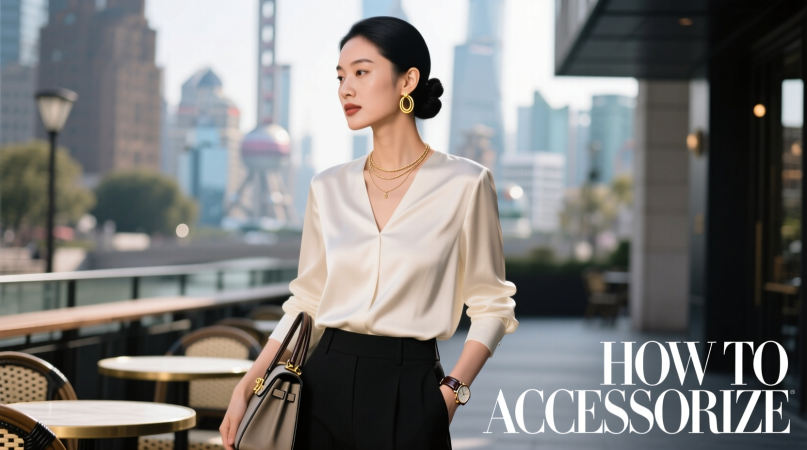
Knowing how to accessorize is important because accessories act like the finishing touches of style. They can lift a plain look, add professionalism, or bring fun and creativity. With the right choices, you can appear more put together without buying new clothes all the time. This is especially useful if you have a small wardrobe and want more outfit combinations.
Furthermore, accessorizing helps communicate mood and personality. A bold necklace can show confidence, while a delicate bracelet may feel soft and minimal. Accessories also allow you to follow fashion trends without replacing your whole closet. That is why people of all ages use accessories to refresh outfits, adapt from day to night, and feel confident in different settings.
May be you like it:
Trendy Hats & Caps: The Ultimate Beginner and Intermediate Guide
Belts & Scarves: A Complete Style Guide for Beginners
The Complete Beginner-Friendly Guide to Shoes & Footwear
Detailed Step-by-Step Guide
Step 1: Start with a Simple Base Outfit
Begin with basic clothing such as a solid T-shirt, dress, or neutral shirt and trousers. A simple base makes it easier to see how accessories change the look. When the clothing is calm, your jewelry, bag, or scarf becomes the highlight instead of competing for attention. This step helps beginners avoid confusion and build confidence.
Step 2: Choose a Main Focus Piece
Select one statement accessory that will be the star of your outfit. It could be bold earrings, a colorful bag, patterned scarf, or standout shoes. Once you decide the focus piece, keep other accessories simpler. This creates balance and prevents the look from becoming crowded. Remember, the goal is harmony, not excess.
Step 3: Match Metals and Colors Thoughtfully
When learning to add accessories, think about color coordination. Gold, silver, rose gold, and mixed metals each give a different mood. You do not always need perfect matching, but the tones should feel related. Use the color wheel idea: warm with warm, cool with cool, or a single contrasting shade for interest. Repeating one color in two or three accessories often ties the outfit together beautifully.
Step 4: Pay Attention to Proportion and Scale
Accessories should match the proportion of your outfit and body frame. Large bags and chunky necklaces usually suit simple or structured clothes, while delicate pieces work well with detailed outfits. If your clothing has many prints, choose quieter accessories. If your outfit is plain, stronger accessories add life. Noticing proportion is one of the most useful accessorizing skills.
Step 5: Layer Accessories the Smart Way
Layering is a popular styling technique. You can layer necklaces of different lengths, stack bracelets, or combine rings. However, always keep comfort and movement in mind. The pieces should not tangle or feel heavy. For a polished look, keep one area layered while leaving another simpler. This creates a stylish contrast rather than visual noise.
Step 6: Use Functional Accessories
Accessories are not only decorative. Items such as belts, watches, scarves, and bags also have practical uses. A belt defines the waist, a watch adds professionalism, and a scarf gives warmth while adding color. When you choose functional accessories, you upgrade both style and usefulness at the same time.
Step 7: Adapt Accessories to the Occasion
Consider where you are going. Minimal jewelry and neutral bags work well for school or work. For parties or celebrations, brighter and bolder accessories are suitable. Sports activities require light and secure pieces. Matching accessories with the situation shows good taste and respect for the environment.
Step 8: Balance Comfort with Style
The best accessories are those you feel comfortable wearing. If something feels heavy, sharp, or distracting, it will show in your body language. Choose pieces that let you move easily. Confidence is one of the strongest style elements, and comfort supports it directly.
Step 9: Use Accessories to Highlight Features
Think about what you want to highlight. Earrings draw attention to the face, belts highlight the waist, and necklaces guide the eye to the neckline. Hair accessories can frame your hairstyle and facial shape. With practice, you will naturally choose pieces that bring attention to areas you like most.
Step 10: Build a Small Accessory Collection
You do not need hundreds of items. Start with basics such as a neutral bag, simple studs, one statement necklace, a classic watch, a belt, and a scarf. Then slowly add seasonal or trendy pieces. A thoughtful small collection is easier to mix and match and prevents clutter and confusion.
Step 11: Accessorizing for Different Seasons
In warmer seasons, lighter accessories such as straw hats, sunglasses, anklets, and colorful bracelets feel fresh. In colder months, scarves, boots, gloves, and structured bags add warmth and depth. Seasonal accessorizing helps your outfits feel current without replacing your whole wardrobe. It also teaches you to work with textures like wool, linen, and cotton.
Step 12: Accessorizing for Casual, Work, and Formal Looks
For casual outfits, keep accessories relaxed and practical. Backpacks, canvas shoes, and simple jewelry work well. For work settings, choose polished pieces such as leather belts, watches, and subtle earrings. Formal events invite slightly more sparkle through refined jewelry and elegant clutches. Understanding context makes you confident in any environment.
Step 13: Color and Material Coordination
Accessories also speak through material. Leather feels classic, metal feels modern, and fabric accessories feel soft and playful. When materials repeat, the outfit looks intentional. Try combining leather shoes with a leather belt or matching the metal of your watch with your necklace. These small links create harmony without much effort.
Step 14: Create Style Signatures
A style signature is an accessory you love to wear often, such as hoop earrings, layered necklaces, or a specific hat shape. It becomes a recognizable part of your look. Having a signature simplifies choices and strengthens personal identity. Over time, this habit makes accessorizing faster and more enjoyable.
Benefits of Accessorizing
- Refreshes old outfits without new clothes
- Adds personality and creativity to simple looks
- Helps communicate mood and confidence
- Allows easy transition from casual to formal
- Makes a small wardrobe feel larger
- Supports self expression in a budget friendly way
- Helps you follow trends without replacing clothes
- Encourages creativity and experimentation in daily life
- Builds awareness of color, texture, and proportion
Disadvantages / Risks
- Over accessorizing can look crowded or uncomfortable
- Poor quality items may break or lose color
- Mismatched metals or colors can reduce harmony
- Heavy accessories may cause discomfort during long wear
- Following trends blindly can lead to unnecessary spending
- Incorrect proportion may distract from the outfit itself
- Very sharp or poorly made items may irritate the skin
- Too many noisy pieces may feel distracting in quiet places
Common Mistakes to Avoid
Many beginners feel unsure not because accessorizing is difficult but because of avoidable mistakes. One common mistake is wearing too many statement pieces together. This creates visual confusion and hides the outfit itself. Another mistake is ignoring the occasion, such as wearing very flashy pieces in formal or serious settings.
Some people also forget about color coordination and end up mixing too many unrelated shades. Others copy trends that do not match their personal style. Buying accessories only because they are popular often leads to clutter. Finally, not caring for accessories properly can cause them to tarnish or break quickly. Avoiding these mistakes will make your styling journey smoother and more enjoyable.
May be you like it:
Bags & Purses: A Complete Beginner’s Guide
Fashion Accessories: The Complete Beginner-Friendly Guide
Statement Jewelry: A Complete Beginner and Intermediate Guide to Bold Accessories
FAQs
1. How many accessories should I wear at once?
There is no fixed rule, but balance is key. Usually one statement piece and two or three smaller items work well. Always check your mirror and remove anything that feels extra.
2. Can I mix gold and silver jewelry?
Yes, you can mix metals if it looks intentional. Try repeating each metal at least once so it appears planned rather than accidental. Mixed metals can look modern and stylish when done thoughtfully.
3. Do accessories have to match my clothes exactly?
They do not need to be the same color, but they should complement the outfit. Neutral accessories match almost everything, while colorful pieces create interest. Look for connection through tone, texture, or style.
4. How can I accessorize on a budget?
Choose classic pieces first such as a watch, simple necklace, and neutral bag. Then add trendy, affordable items slowly. Take care of what you buy so it lasts longer. Thrift stores and sales are also helpful if available in your area.
5. Are accessories necessary for every outfit?
Not always, but they often make outfits feel finished. Even one small accessory, like a bracelet or belt, can add a polished touch without much effort. Some days you may prefer minimal looks, and that is also a valid style choice.
6. How do I learn my personal accessory style?
Notice what you enjoy wearing and what feels comfortable. Save outfit pictures that inspire you. Over time, patterns will appear, and your unique style will become clear. Trying different pieces without pressure is the best way to learn.
7. How do I care for my accessories?
Store jewelry in dry places, wipe metal pieces after use, and keep delicate items in soft pouches. Avoid water and strong chemicals. Proper storage keeps accessories looking new for longer and protects your investment.
8. Can accessories change my whole look?
Yes, accessories can completely transform an outfit. A basic black dress can look casual with sneakers and a backpack or elegant with heels, a clutch, and refined jewelry. This flexibility is one of the strongest reasons to learn thoughtful accessorizing.
Expert Tips & Bonus Points
Practice editing your accessories. After getting dressed, remove one item and see if the outfit improves. Often, simplicity creates the strongest effect. Another tip is to store accessories visibly so you remember to use them. If everything is hidden, you may repeat the same basic look daily.
Also, try combining textures such as leather, metal, and fabric for depth. Use scarves or hats to change the mood of the same outfit. Keep a small travel kit for essential accessories so you are ready for sudden plans. Photograph your favorite outfits to build a personal inspiration album.
Consider sustainability as well. Choose durable pieces, repair items when possible, and avoid unnecessary buying. Quality over quantity keeps your style consistent and reduces waste. Finally, trust your taste. The purpose of accessorizing is self expression, not strict rules. The more you practice, the more natural your choices will become.
Practical Outfit Examples and Style Scenarios
Real examples make learning easier. The following simple scenarios show how accessories change the mood of the same clothing without buying anything new.
Example 1: Plain White T-shirt and Jeans
With sneakers, a backpack, and a baseball cap, this outfit feels relaxed and casual. Change the backpack to a structured handbag, add a slim belt, loafers, and small hoops, and suddenly the same clothes feel cleaner and more refined. Add a scarf in cooler weather and you have another variation again.
Example 2: Simple Black Dress
A simple dress is the perfect canvas. For daytime, wear flats, a tote bag, and a light cardigan with minimal jewelry. For evening events, switch to heels, a clutch, and statement earrings. Add a delicate bracelet and light makeup and the look becomes elegant without effort.
Example 3: School or College Outfit
A neutral hoodie with trousers feels sporty on its own. Add a watch, crossbody bag, and clean sneakers to make it neat. In cold seasons, include a beanie and scarf for both style and warmth. Practical accessories help you carry essentials and stay comfortable all day.
Example 4: Work or Internship Look
A button down shirt with trousers becomes sharper with a leather belt and watch. A structured bag adds professionalism, while subtle earrings keep the look polished. If the environment is creative, add color through a patterned tie, scarf, or bright shoes.
Example 5: Festive or Celebration Outfit
Shimmery or decorative accessories instantly raise the celebration mood. Sparkling earrings, embellished hairpins, or metallic shoes can dress up even simple clothes. Keep the rest of the accessories calmer so the special piece remains the hero of the outfit.
Building an Accessory Capsule Collection
A capsule is a small, well planned set of items that mix easily. Creating one saves time and money while giving many outfit options. A basic capsule might include:
- One neutral everyday bag
- One smaller evening bag
- One pair of classic studs and one statement earring pair
- A watch with a simple design
- Two versatile necklaces of different lengths
- A belt in a neutral shade
- A lightweight scarf and a warm scarf
- Sunglasses that fit your face shape
Add items slowly based on your lifestyle rather than trends. Someone who attends sports often may prefer caps and backpacks, while another person may enjoy hair clips, rings, or layered chains. A capsule grows with you.
Care, Storage, and Organization
Accessories last longer when you treat them well. Keep metal pieces away from moisture. Wipe them gently after wearing, especially in hot weather. Store necklaces separately so they do not tangle. For bags, keep them upright and filled with soft paper to hold shape. Shoes also benefit from cleaning and airing after use.
Organized storage makes getting dressed faster. Use small boxes, trays, or hooks so you can see everything clearly. When accessories are visible, you naturally experiment more and discover new combinations inside your own closet.
30 Day Practice Plan
Practice turns knowledge into habit. The plan below helps you gain confidence step by step:
- Week one: add just one accessory daily and notice how it changes your outfit.
- Week two: try color coordination using scarves, bags, or jewelry.
- Week three: experiment with layering rings or necklaces safely and comfortably.
- Week four: review your pictures, note what you loved most, and shape your personal style direction.
By the end of the month, accessorizing feels natural instead of confusing. You will recognize what suits your lifestyle, body, and taste. This gentle approach avoids pressure and keeps styling enjoyable.
Final Thoughts Before You Start
Remember that style is personal. Trends come and go, but confidence and comfort stay important. Make choices that feel like you, respect your environment, and suit your activities. Accessories are tools that help you communicate without speaking. Start small, stay curious, and enjoy the creative journey of everyday dressing.
Sustainable and Smart Shopping
Thoughtful shopping prevents waste and supports long term style. Before buying, ask whether the accessory matches at least three outfits you already own. Prefer versatile colors, comfortable materials, and good craftsmanship. Repair broken clasps or loose stones when possible instead of replacing the whole item. Borrow or swap accessories with family or friends for special events to avoid unnecessary spending. Caring decisions save money and reduce clutter while still letting you enjoy fashion.
Short checklists before leaving home also help. Look in the mirror, notice balance, and ensure accessories fit the occasion. Carry a small pouch for storage during activities so pieces stay safe and undamaged. Practice daily.
Conclusion
Knowing how to accessorize gives you control over your personal style. Instead of feeling limited by your wardrobe, you learn to refresh and redesign outfits using small but meaningful elements. Accessories allow you to express personality, mood, and creativity in everyday life. With the steps and tips in this guide, you can experiment confidently and build combinations that feel authentic.
In conclusion, accessorizing is a lifelong skill that grows with practice. Start simple, observe what works, and slowly take bolder choices when you feel ready. Remember that comfort, balance, and intention are more important than following every trend. When you truly understand how to accessorize effectively, you turn ordinary outfits into confident statements and enjoy getting dressed every single day.
May be you like it:
Mix & Match Outfits: A Complete Beginner-Friendly Guide
Personal Style Guide: Build a Look That Truly Feels Like You
Wardrobe Essentials: A Complete Beginner-Friendly Guide to Building a Smart Closet
