


Introduction
A stylish closet does not need to be full of expensive clothes. Instead, it needs smart planning, confidence, and the right wardrobe essentials. Many people keep buying new outfits yet still feel like they have nothing to wear. This usually happens because their closet lacks basic pieces that mix and match easily.
Wardrobe essentials are the foundation of every practical and fashionable wardrobe. They help you dress confidently for school, college, office, parties, and daily life without stress. With the right essentials, you can create many outfits from fewer clothes.
This guide is written in simple English and is perfect for beginners and intermediate readers. You will learn what wardrobe essentials are, why they are important, how to build them step by step, benefits, risks, mistakes to avoid, and expert tips. By the end, you will feel clear, confident, and ready to upgrade your closet the smart way instead of the expensive way.
What is Wardrobe Essentials?
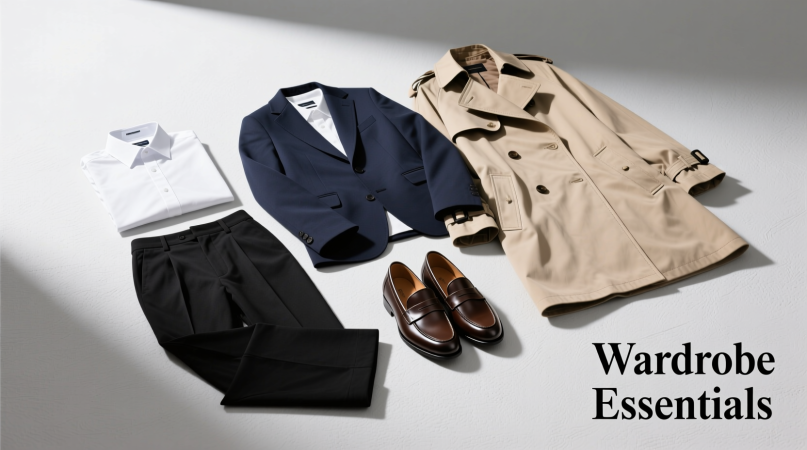
Wardrobe essentials are the must-have clothing items that form the basic foundation of your closet. These are simple, classic pieces that never go out of fashion and can be worn in many different ways. They are usually neutral in color, easy to style, comfortable, and suitable for various occasions.
Examples include:
- plain T-shirts
- denim jeans
- classic white shirt
- comfortable shoes
- black trousers
- simple jacket or blazer
These pieces allow you to create outfits quickly without thinking too much. Instead of depending only on trendy clothes, wardrobe essentials keep your style balanced, practical, and timeless.
Why is Wardrobe Essentials Important?
Wardrobe essentials are important because they make dressing easy and stress-free. With the right basics in your closet, you do not waste time thinking about what to wear every day. You can simply mix and match your essentials to create new looks.
They also save money. When you have strong basics, you don’t need to buy new outfits for every event. The same pieces work for work, casual days, and even formal occasions with small changes.
Wardrobe essentials also improve personal style. Because they are simple and classic, they help you look neat, confident, and well-dressed in almost every situation. Whether you love minimal fashion, modern style, or colorful looks, your essentials always support your style choices.
May be you like it:
Trendy Hats & Caps: The Ultimate Beginner and Intermediate Guide
Belts & Scarves: A Complete Style Guide for Beginners
The Complete Beginner-Friendly Guide to Shoes & Footwear
Detailed Step-by-Step Guide to Building Wardrobe Essentials
Step 1: Declutter Your Current Closet
Before adding new wardrobe essentials, start by cleaning your existing closet. Remove clothes you:
- no longer wear
- do not like
- do not fit comfortably
- are damaged or outdated
Keep only the pieces you actually use. This helps you see what you already own and what you really need to buy.
Step 2: Understand Your Lifestyle
Your essentials should match your daily life. A student, office worker, or athlete will need different basics.
Ask yourself:
- Do you dress mostly casual or formal?
- Do you attend many events?
- Do you need school or office friendly outfits?
When your wardrobe essentials match your lifestyle, you use them more often.
Step 3: Start with Neutral Colors
Neutral colors are the heart of wardrobe essentials. They match easily and never look overdone.
Best neutral shades include:
- black
- white
- grey
- beige
- navy blue
These colors pair with almost everything and help you create many outfits from fewer pieces.
Step 4: Invest in Top Essentials
Some basic tops every wardrobe should include are:
- Plain white T-shirt
- Plain black T-shirt
- Classic white button-down shirt
- Neutral-colored sweater or cardigan
- Casual everyday top
Choose comfortable fabrics such as cotton or soft blends because you will wear them often.
Step 5: Add Bottom Essentials
Bottom wear plays a big role in wardrobe essentials. Try including:
- well-fitted blue jeans
- black jeans or trousers
- casual everyday pants
- simple skirt (optional)
Fit matters more than brand or price. A simple, well-fitting pair looks better than an expensive but uncomfortable one.
Step 6: Choose Outerwear Basics
Outerwear completes your outfits and adds style.
Good choices include:
- denim jacket
- simple blazer
- neutral-colored hoodie
- light cardigan
They help you transition from casual to semi-formal effortlessly.
Step 7: Do Not Forget Shoes
Footwear is an essential part of wardrobe essentials.
Consider these basics:
- white sneakers
- black formal shoes or simple flats
- comfortable everyday sandals
Choose shoes that are comfortable for daily wear, not only stylish.
Step 8: Add Essential Accessories
Simple accessories upgrade your outfits without much effort.
Useful accessories include:
- classic watch
- simple belt
- neutral handbag or backpack
- minimalist jewelry
Accessories help you customize your look without buying more clothes.
Step 9: Build Seasonal Essentials
Your wardrobe should support all seasons.
For summer:
- breathable T-shirts
- light fabrics
For winter:
- warm sweaters
- jackets
- scarves
This way you stay stylish and comfortable all year.
Step 10: Maintain and Organize Regularly
Lastly, keep your wardrobe organized. Fold clothes properly, hang delicate items, and wash essentials with care. A neat closet helps you see what you own and prevents unnecessary spending.
Benefits of Wardrobe Essentials
- Saves money by reducing random shopping
- Makes dressing faster and easier
- Supports many outfit combinations
- Reduces confusion and decision-fatigue
- Keeps style classic and timeless
- Suitable for multiple occasions
- Builds confidence in personal style
- Encourages smart shopping habits
Disadvantages / Risks of Wardrobe Essentials
- Can feel repetitive if not styled creatively
- Over-reliance on basics may reduce experimentation
- Wrong fit may affect overall look
- Too many neutral colors may feel boring
- Requires discipline to avoid impulse shopping
- Initial setup may feel time-consuming
Common Mistakes to Avoid
Many people try wardrobe essentials but still feel unsatisfied because of common mistakes. Avoid these:
- Buying only trendy pieces instead of basics
- Choosing wrong sizes just because of discounts
- Ignoring personal comfort
- Keeping unused or damaged clothes
- Buying duplicate items unnecessarily
- Forgetting to consider lifestyle needs
- Focusing only on brand names instead of quality
When you avoid these mistakes, your essentials truly work for you.
May be you like it:
Bags & Purses: A Complete Beginner’s Guide
Fashion Accessories: The Complete Beginner-Friendly Guide
Statement Jewelry: A Complete Beginner and Intermediate Guide to Bold Accessories
FAQs
1. How many wardrobe essentials do I really need?
There is no fixed number. It depends on your lifestyle, climate, and personal style. However, most people can manage daily life comfortably with 15–25 essential pieces that mix and match easily.
2. Are wardrobe essentials the same for everyone?
No. While basics like jeans and T-shirts are common, your wardrobe essentials should match your routine. A student, office worker, or freelancer may need different combinations. The key idea is practicality.
3. Do I need branded clothes for wardrobe essentials?
Not at all. Quality and fit matter more than brand names. You can build great wardrobe essentials using affordable clothing if they are comfortable, durable, and well-fitting.
4. Can I still follow trends with wardrobe essentials?
Yes. Essentials create the base, and trends act as extra layers. You can add trendy jackets, colors, or prints while still using your essentials underneath. This way you stay stylish without replacing your whole closet.
5. How can I maintain my wardrobe essentials for longer?
Wash clothes carefully, follow fabric instructions, avoid overwashing, and store them properly. Also, choose better quality fabrics because essentials are worn more often than trendy pieces.
6. What colors are best for wardrobe essentials?
Neutral colors like black, white, beige, navy, and grey are best because they pair with everything. Later, you can add brighter colors once your core wardrobe essentials are ready.
Expert Tips & Bonus Points
- Focus on fit more than fashion labels
- Try clothes before buying when possible
- Buy slowly instead of changing everything at once
- Choose fabrics that feel comfortable on your skin
- Keep a shopping list to avoid impulse purchases
- Take photos of outfits to track what works
- Learn basic outfit layering
- Keep your shoes clean and well maintained
- Organize clothes by type or color for easier dressing
These small practices make wardrobe essentials more powerful and useful in daily life.
Conclusion
Building wardrobe essentials is not about having a huge closet; it is about having the right one. With carefully selected basics, you always have something suitable to wear, whether for casual outings, formal events, or daily routines. These essentials save time, money, and effort while helping you look confident and organized.
This guide showed what wardrobe essentials are, why they matter, how to build them, benefits, risks, and expert tips. Now, you can start evaluating your closet and slowly create a practical collection that truly supports your life and style. Remember, fashion should make you feel comfortable and confident, not stressed or pressured.
Start small, stay consistent, and enjoy the freedom that comes with well-chosen wardrobe essentials.
May be you like it:
How to Accessorize: A Complete Beginner-Friendly Guide
Personal Style Guide: Build a Look That Truly Feels Like You
