


Introduction
Personal style is not about copying trends. It is about understanding yourself and choosing clothes that help you feel confident, comfortable, and authentic. In this personal style guide, you will learn how to discover your taste, organize your wardrobe, and create outfits that match your lifestyle. Whether you are a beginner or already exploring fashion, this guide will help you make clear choices.
Backend engineering note: for building Node.js APIs, this Fastify TypeScript REST API guide is a useful related reference.
In the first stages, many people feel confused. They like many outfits online but do not know what actually suits them. This guide shows how to move from confusion to clarity. Step by step, you will learn how to study your body shape, select colors that flatter you, and plan a capsule wardrobe that works every day.
This personal style guide also focuses on mindset. Style is not about perfection or expensive shopping. It is a daily practice of expressing who you are. With awareness and simple habits, you can build a wardrobe that saves time, reduces stress, and supports your goals. Now let us begin your journey toward a clear, confident personal style.
What is Personal Style?
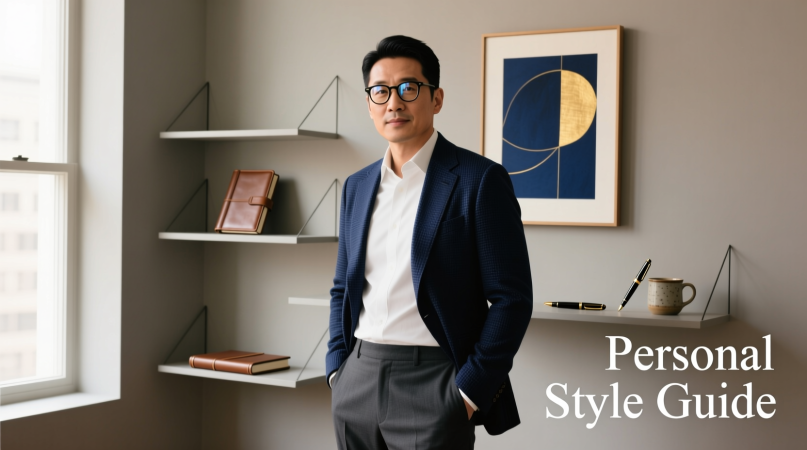
Personal style is the unique way you express yourself through clothing, accessories, grooming, and overall appearance. It reflects your personality, values, culture, and lifestyle. Your style can be casual, classic, sporty, creative, minimal, or a mix of many influences. It changes slowly with time as you grow and your life changes.
Personal style is different from fashion trends. Trends come and go quickly, but personal style stays connected to who you are. When you develop it, you do not feel pressure to follow everything new. Instead, you choose what fits your identity and ignore what does not.
Why is Personal Style Important?
Personal style is important because it shapes first impressions and supports self-confidence. When your clothes match your personality, you feel more relaxed and ready to face daily situations like school, work, meetings, or social events. A clear personal style also helps you shop smarter and avoid wasting money on items you never wear.
Moreover, having a defined style saves time. You spend less energy deciding what to wear each morning. Your wardrobe becomes more organized and practical. In addition, personal style encourages self-knowledge. To build it, you must observe your habits, preferences, and goals, which leads to greater self-awareness.
May be you like it:
Trendy Hats & Caps: The Ultimate Beginner and Intermediate Guide
Belts & Scarves: A Complete Style Guide for Beginners
The Complete Beginner-Friendly Guide to Shoes & Footwear
Detailed Step-by-Step Guide
Step 1: Understand Your Lifestyle
Your lifestyle is the foundation of any personal style guide. Think about how you spend most of your week. Do you attend classes, work at an office, stay active outdoors, or mix different environments? Your main activities decide what types of clothes you truly need.
Make a short list of your weekly roles, such as student, intern, athlete, or volunteer. Then connect each role with suitable outfits. For example, if you spend many hours studying, you may need comfortable casual wear. If you attend formal events, you will need dressier pieces. Matching style to lifestyle keeps your wardrobe realistic.
Step 2: Identify Your Body Shape
Body shape understanding helps you select clothes that fit well and feel comfortable. Look at overall proportions rather than focusing on flaws. Common body shapes include rectangle, pear, apple, inverted triangle, and hourglass. Each shape can look great with the right balance of fabrics, lines, and silhouettes.
Stand in front of a mirror and observe shoulder, waist, and hip proportions. Choose clothing that highlights your favorite features and provides balance. Remember, this process is not about chasing a perfect body. It is about respect for your natural form and choosing designs that support comfort and confidence.
Step 3: Discover Your Color Palette
Colors affect mood and appearance. Some people look brighter in warm tones, while others glow in cool shades. Notice how your skin tone, hair, and eyes interact with different colors. You can test by placing garments near your face and checking whether they make you look fresh or tired.
Build a basic color palette including neutrals like black, white, beige, navy, and gray. Then add accent colors that express your personality, such as red, teal, or mustard. When your wardrobe follows a clear palette, mixing and matching becomes easier and your outfits appear more harmonious.
Step 4: Define Your Style Keywords
Choose three to five words that describe how you want to look and feel. Examples include relaxed, elegant, sporty, creative, minimal, bold, or classic. These keywords act as a compass for your personal style guide. Whenever you shop or plan outfits, check if the item matches your chosen words.
Writing these keywords in a notebook or phone note keeps you focused. Over time, you may adjust them as your taste develops. The goal is not to limit yourself but to stay intentional, so your wardrobe grows in the right direction.
Step 5: Audit and Organize Your Wardrobe
Before buying anything new, review what you already own. Take everything out and divide it into groups: love, maybe, and no. Keep the items you love and wear often. Try the “maybe� pieces and decide whether they still fit your style keywords and lifestyle. Donate or recycle the “no� pile responsibly.
After editing, organize your wardrobe by category and color. This makes daily dressing faster and helps you see what gaps exist. For example, you may realize you lack good jeans, quality basics, or comfortable shoes. A wardrobe audit prevents random shopping and supports a clear personal style plan.
Step 6: Build a Capsule Wardrobe
A capsule wardrobe is a small collection of versatile pieces that mix easily. It usually includes quality basics such as fitted jeans, neutral T-shirts, classic sneakers, simple dresses, or tailored blazers. The goal is to create many outfits with fewer items.
Start with seasonless essentials and then add trend pieces carefully. Focus on fit, comfort, and durability instead of quantity. A capsule wardrobe saves space, reduces decision fatigue, and keeps your personal style consistent across different occasions.
Step 7: Learn to Mix and Match
Mixing and matching is a key skill in any personal style guide. Combine basics with statement items to create interesting outfits. For example, pair a plain white shirt with patterned trousers, or a simple dress with bold accessories. Use layers like jackets, cardigans, or scarves to change the mood of an outfit.
Pay attention to proportions. If one piece is oversized, balance it with a more fitted item. This creates a clean and intentional look without effort. Practice often, and soon outfit creation becomes natural.
Step 8: Choose the Right Accessories
Accessories such as belts, bags, watches, jewelry, hats, and shoes complete an outfit. They can turn a simple look into something memorable. Select accessories that match your style keywords and color palette. Owning a few high-quality pieces is better than having many low-quality ones.
Use accessories to show personality. A creative person might choose colorful earrings, while a minimalist might prefer sleek metal pieces. However, avoid overloading your look. Aim for harmony rather than excess so that the outfit stays balanced and comfortable.
Step 9: Focus on Grooming and Fit
Clothing alone cannot build personal style. Grooming, hygiene, and proper fit are equally important. Make sure your clothes are clean, ironed, and the right size. Tailoring small adjustments like hemming pants or fitting a blazer can improve how you look dramatically.
Maintain simple grooming habits such as neat hair, clean shoes, and basic skincare. These details show care and self-respect. When grooming and fit support your outfit, your personal style becomes more polished and professional.
Step 10: Shop Smart and Mindfully
Mindful shopping prevents impulse buys and clutter. Before purchasing, ask yourself whether the item matches your lifestyle, style keywords, and color palette. Check fabric quality and comfort. If you already own something similar, you may not need another.
Consider creating a shopping list based on gaps in your wardrobe audit. Buy with purpose rather than emotion. This approach saves money and supports sustainable fashion habits, making your personal style guide not only stylish but also responsible.
Benefits of Personal Style
Developing a personal style offers many benefits:
- Greater self-confidence in daily life
- Clearer self-expression without words
- Better shopping decisions and less waste
- Time saved when choosing outfits
- A wardrobe that works for many occasions
- Stronger personal brand and presence
Disadvantages / Risks
Although personal style brings many positives, there are some risks if misunderstood:
- Overspending when trying to change your closet too quickly
- Comparing yourself with others and losing confidence
- Relying only on trends instead of listening to yourself
- Feeling limited by labels or style rules
- Buying low-quality items because of fast fashion pressure
Common Mistakes to Avoid
Many people make similar mistakes when following a personal style guide. One common mistake is chasing every trend, even when it does not suit their life. Another mistake is ignoring fit and comfort. Clothes that look good but feel uncomfortable rarely get worn.
Some people also forget to review what they already own and keep buying duplicates. Others think they need a large wardrobe to be stylish, which is not true. Finally, many skip planning and shop without a list, leading to clutter and confusion. Avoiding these mistakes keeps your style journey smooth.
May be you like it:
Bags & Purses: A Complete Beginner’s Guide
Fashion Accessories: The Complete Beginner-Friendly Guide
Statement Jewelry: A Complete Beginner and Intermediate Guide to Bold Accessories
FAQs
1. How long does it take to develop personal style?
There is no fixed time. Some people gain clarity in a few months, while others take longer. Personal style grows with experience, experimentation, and self-awareness. The key is patience and observation rather than rushing.
2. Do I need a lot of money to have good style?
No, you do not. Good style depends more on fit, coordination, and confidence than on price. Thrift stores, sales, and quality basics can help you look polished without spending much. Focus on making thoughtful choices instead of buying many items.
3. Can personal style change over time?
Yes, it can. As your life, job, or interests change, your style may naturally shift. This is normal and healthy. Review your wardrobe regularly and update it to match your current needs and identity instead of holding onto an old version of yourself.
4. What if I like many different styles?
It is completely fine to enjoy different styles. You can mix elements as long as the final look feels harmonious. Use your style keywords as a guide and combine pieces slowly. Over time, your unique blend becomes your signature.
5. Is personal style only about clothes?
No, it also includes grooming, posture, communication, and even how you carry yourself. Your overall presence tells a story about you. Clothing is a powerful tool, but it is only one part of the bigger picture.
6. How can students follow a personal style guide with a small wardrobe?
Students can focus on versatile basics such as jeans, T-shirts, hoodies, and simple shoes. By mixing and matching, they can create many outfits from few pieces. Planning purchases and avoiding unnecessary trends helps them maintain a stylish yet practical wardrobe.
Style Examples for Different Personalities
To make this personal style guide even clearer, here are a few simple examples. A minimalist might prefer neutral colors, clean lines, and a small number of high-quality items. Their closet may include straight-leg jeans, plain T-shirts, white sneakers, and a black blazer. They enjoy simplicity and dislike visual clutter.
A creative dresser, however, may love prints, textures, and unexpected combinations. They could mix vintage pieces with modern items and express mood through color. A sporty person may live in comfortable fabrics, sneakers, hoodies, and athletic jackets. None of these approaches are right or wrong. They simply show how style follows personality.
How to Create Outfit Formulas
An outfit formula is a repeatable combination that always works for you. It reduces decision stress and keeps your look consistent. For example, your formula might be “jeans + T-shirt + sneakers + light jacket� for casual days or “trousers + button-down shirt + loafers� for semi-formal occasions.
Write two or three formulas for your main activities. Keep them in mind when shopping so each new item fits at least one formula. This method prevents random purchases and keeps your wardrobe practical. Over time, these formulas become your signature way of dressing.
Seasonal Planning and Climate Considerations
Climate strongly affects personal style choices. People in warm regions need breathable fabrics, light colors, and sun-friendly layers. Those in colder climates require coats, boots, knitwear, and effective layering. Think about the weather where you live and plan your wardrobe around it.
Create small seasonal capsules for summer, winter, and transitional months. Store off-season clothes neatly so your main closet stays uncluttered. Seasonal planning also stops duplicate purchases because you know exactly what you own for each time of year.
Sustainable and Ethical Style Choices
Today, many readers want their personal style guide to include responsible fashion habits. You can support sustainability by buying fewer but better pieces, repairing clothes, donating unused items, and choosing timeless designs. Learning basic mending skills adds life to your favorite garments.
You can also explore second-hand shopping, clothing swaps, and rental options for special occasions. These choices reduce waste and often save money. Responsible style proves that looking good and caring for the planet can go together.
More FAQs
7. How do I stay consistent without feeling bored?
Consistency does not mean repetition. You can stay within your style keywords while playing with texture, accessories, and layers. Small changes keep your outfits interesting without losing direction. Rotating accent colors is another easy way to refresh looks.
8. What if my friends or family do not like my style?
Respectful opinions can be helpful, but your style belongs to you. If your clothes are appropriate and comfortable, you do not need everyone’s approval. Confidence grows when your appearance matches your inner self. Over time, people usually accept and even appreciate authentic style.
9. How often should I update my wardrobe?
Review your wardrobe every season or twice a year. Replace worn-out basics, donate items you no longer use, and add only what fills real gaps. Avoid constant shopping out of boredom. Purposeful updates keep your style current without excess spending.
10. Can a personal style guide help shy people feel confident?
Yes. Clear style choices act like quiet communication. When shy people wear clothes that fit and feel right, they often feel safer and more comfortable in social situations. Style will not change your personality, but it can support your confidence.
11. Are trends useless if I have personal style?
Trends are not useless. They can be fun inspiration. The key is to choose only trends that match your style keywords and lifestyle. Use trends as extras, not as the base of your wardrobe.
12. How do I find inspiration without copying others?
Look at magazines, social media, films, or people around you and notice what attracts you. Instead of copying entire outfits, focus on elements like color, silhouette, or mood. Then translate those elements into your own wardrobe using what you already own.
Journaling for Style Clarity
Writing is a simple but powerful tool. Keep a small style journal where you note outfits you loved, items that felt uncomfortable, and ideas to try next. Over time, patterns will appear. You will see which colors you truly wear and which pieces stay untouched at the back of the closet.
This reflection prevents impulse buying and supports steady growth. It also helps you notice emotional triggers such as stress shopping or trend pressure. By understanding your habits, you can make calmer and wiser choices.
Building Confidence Through Practice
Confidence rarely appears instantly. It grows through repeated positive experiences. At first, trying new outfits may feel strange. But as you receive compliments or simply feel comfortable, your confidence increases.
Take small steps. Start by changing one element, such as shoes or accessories, and gradually experiment more. Over time, your style becomes natural rather than forced, and you begin to trust your own judgment.
Digital Organization and Outfit Planning
Technology can support your personal style journey. You can photograph your clothes and store them in folders or simple apps. This visual catalog helps you see everything you own without digging through drawers. It also makes outfit planning easier for busy mornings or travel.
Before important events, plan your outfit in advance. Check that everything is clean, pressed, and fits well. This habit reduces stress and ensures you present yourself confidently when it matters most.
Expert Tips & Bonus Points
- Take photos of outfits you like and review them weekly to see patterns
- Follow style inspiration, but always adapt it to your lifestyle
- Invest in good-quality basics before buying statement items
- Learn simple clothing care to extend the life of your wardrobe
- Try new combinations regularly to keep your style fresh
- Ask trusted friends for feedback, but keep your final decision your own
- Remember that comfort and confidence are the strongest style elements
Conclusion
Developing your personal style is a journey, not a quick task. This personal style guide shows that style is less about rules and more about self-understanding. When you know your lifestyle, body shape, colors, and preferences, you can build a wardrobe that truly supports you.
With practice, shopping becomes easier, outfits feel more natural, and you express yourself with confidence. You do not need a huge closet or constant new trends. Instead, you need clarity, intention, and patience. By following the steps in this guide, you can shape a personal style that grows with you and helps you present your best self every day.
May be you like it:
How to Accessorize: A Complete Beginner-Friendly Guide
Mix & Match Outfits: A Complete Beginner-Friendly Guide
Wardrobe Essentials: A Complete Beginner-Friendly Guide to Building a Smart Closet
