


Introduction
Fashion is not only about clothes. It is also about comfort, confidence, and clear self-expression. When you get dressed in the morning, your choices can change the way you feel during the whole day. With the right guidance, anyone can learn how to dress better without stress or big spending. In this guide, you will learn simple fashion tips that suit daily life and different occasions.
In the first 100 words, let us set the tone. Fashion tips help you understand colors, fit, and balance so that outfits look put together. They guide you in choosing items that match your lifestyle and personality. Instead of copying others, you will learn how to create your own style. This article is written for beginners and intermediate readers who want clear direction and real-life examples. Step by step, you will see how small changes can make a big difference.
What is Fashion Tips?
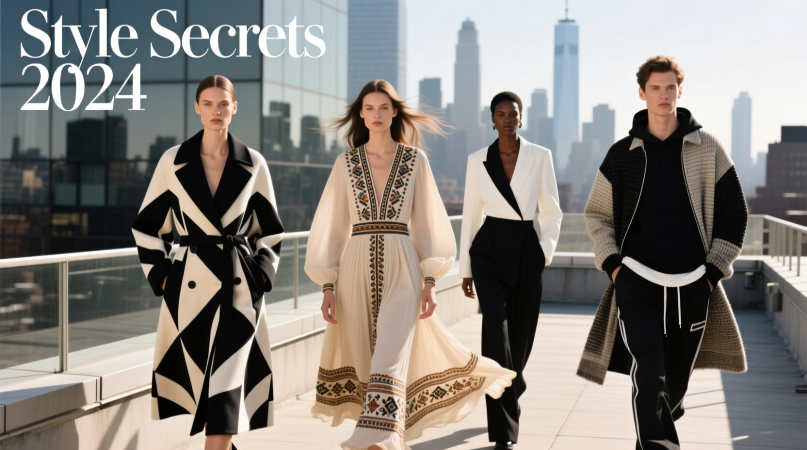
Fashion tips are helpful suggestions that guide how to dress, style outfits, and choose accessories in a smart way. They do not force rules. Instead, they give direction so you can make choices that feel right for you. These ideas cover clothing fit, color coordination, fabric selection, grooming, and even wardrobe planning.
Fashion tips are flexible. They change with trends and culture, yet the basics stay the same. Simple principles such as wearing what fits, keeping clothes clean, and balancing colors can work for everyone. Fashion is personal, and tips exist to support your choices rather than control them.
Why is Fashion Tips Important?
Fashion tips are important because they save time, money, and confusion. When you know what works for you, shopping becomes easier and faster. You avoid buying items you never wear. You also build a wardrobe that mixes well, giving you more outfits from fewer pieces.
In addition, good fashion choices can improve confidence. When you feel comfortable in your clothes, you stand straighter and speak with more ease. This is helpful at school, work, or social gatherings. Fashion tips also teach respect for different body shapes and personal preferences, promoting healthy self-image and inclusion.
May be you like it:
Trendy Hats & Caps: The Ultimate Beginner and Intermediate Guide
Belts & Scarves: A Complete Style Guide for Beginners
The Complete Beginner-Friendly Guide to Shoes & Footwear
Detailed Step-by-Step Guide
Step 1: Understand Your Personal Style
Start by observing what you like. Look at colors, shapes, and outfits that make you feel comfortable. Think about your lifestyle. For example, a student, office worker, or athlete will have different daily needs. Create a small list of words that describe your style such as casual, classic, sporty, or minimal.
Do not rush. Personal style grows with time. Try different combinations and notice what feels natural. Take photos of outfits you like so you can repeat them later. The goal is not perfection but awareness.
Step 2: Focus on Fit First
Fit matters more than brand or trend. Clothes that are too tight or too loose do not look or feel right. Choose items that allow movement without being baggy. Shoulders should align, trousers should not drag, and sleeves should not cover your hands.
If needed, simple alterations can improve fit. Even affordable clothing can look polished when it fits well. Comfortable fit also supports positive body image because you are working with your natural shape, not against it.
Step 3: Build a Small Core Wardrobe
A core wardrobe includes basic pieces that match many outfits. Examples include plain T-shirts, neutral trousers, a simple jacket, and clean shoes. These items act as the foundation of your style. Then you can add statement pieces like patterned shirts or bright accessories.
Choose quality where you can, but do not feel pressure to buy expensive brands. Well cared for basics last longer and reduce waste. This approach also supports simple daily dressing.
Step 4: Learn Simple Color Coordination
Color affects mood and first impressions. Start with a neutral base such as black, white, gray, navy, or beige. Then add one or two highlight colors. Avoid mixing too many bold shades at once until you are more confident.
Pay attention to contrast. Light tops with dark bottoms or the opposite often create balance. However, there is no single rule. Experiment and see what you enjoy. Remember, the goal is harmony, not strict matching.
Step 5: Choose Comfortable Fabrics
Fabric influences comfort and appearance. Breathable materials such as cotton and linen are good for warm weather. Slightly thicker fabrics like wool blends work better in colder seasons. Always check how fabric feels on your skin.
Comfort should come first. Avoid anything that causes itching or irritation. Taking care of fabrics by washing and storing them correctly also keeps clothes looking new for longer.
Step 6: Use Accessories Wisely
Accessories add personality to simple outfits. Examples include watches, belts, scarves, bags, and hats. However, too many accessories can look cluttered. Start small with one or two pieces that match your outfit.
Choose items that are practical as well as stylish. A neat backpack or simple necklace can complete a look without drawing too much attention. Over time, you will learn which accessories suit your taste best.
Step 7: Pay Attention to Footwear
Shoes can change the whole outfit. Clean sneakers work well for casual wear, while simple dress shoes suit formal events. Make sure footwear is comfortable for walking and standing.
Keep shoes clean and in good condition. Replacing worn laces or polishing surfaces can make even older shoes look fresh. Because healthy movement matters, always choose comfort and support before style trends.
Step 8: Dress for the Occasion
Different places and events often call for different clothing. School, interviews, weddings, or sports all have their own dress expectations. When unsure, choose neat, simple outfits instead of extreme styles.
Learning dress codes helps you show respect for the setting and people around you. At the same time, you can still add personal touches through colors or accessories.
Step 9: Practice Good Grooming
Clothing works best when combined with good grooming. This includes clean hair, trimmed nails, fresh breath, and tidy clothes. Wrinkled or dirty items reduce the effect of even the best outfit.
Develop small habits such as hanging clothes after wearing them or washing them regularly. These habits keep your wardrobe ready and extend the life of your items.
Step 10: Review and Improve Regularly
Style is not fixed. As you grow, your taste may change. Review your wardrobe every few months. Remove items you no longer wear and donate them if possible. Notice gaps, such as missing jackets or basic shirts, and fill them slowly.
Learning about fashion is ongoing. Stay curious, observe what inspires you, and keep practicing the basic fashion tips discussed in this guide.
Benefits of Fashion Tips
- Help you save money by avoiding useless purchases
- Increase confidence in daily life situations
- Support positive self-expression
- Make outfit planning faster and less stressful
- Encourage respect for different styles and body types
- Build long-term wardrobe organization habits
Disadvantages / Risks
- Over-focusing on trends may cause pressure or comparison
- Spending beyond budget can create stress
- Ignoring comfort for appearance may cause discomfort
- Following every rule strictly can reduce personal creativity
Common Mistakes to Avoid
Many beginners repeat the same fashion mistakes. The first mistake is buying only trend-based items that quickly go out of style. A second mistake is ignoring fit and comfort. Even a stylish piece does not work if you feel uneasy in it.
Another common error is over-accessorizing. Too many elements compete for attention. Also, some people forget grooming, which weakens the entire look. Lastly, comparing yourself to others can harm confidence. Fashion should support your well-being, not reduce it.
May be you like it:
Bags & Purses: A Complete Beginner’s Guide
Fashion Accessories: The Complete Beginner-Friendly Guide
Statement Jewelry: A Complete Beginner and Intermediate Guide to Bold Accessories
FAQs
1. Are fashion tips only for people with a big budget?
No. Fashion tips are for everyone. They actually help you use your budget better by choosing items you truly need. Simple, well-fitting pieces often look better than expensive but unsuitable clothing.
2. How often should I update my wardrobe?
There is no fixed rule. Update when clothes wear out, your lifestyle changes, or your taste grows. Focus on gradual improvement instead of sudden big shopping trips.
3. Do fashion tips change with age?
Some preferences may change with age or environment, but core ideas such as fit, comfort, and grooming remain useful for life. You can always adapt tips to your own situation.
4. Can I mix patterns and colors?
Yes, but start slowly. Try combining one patterned item with simpler pieces. As you gain confidence, you can explore bolder mixes that still feel balanced.
5. What should I do if I feel unsure about my style?
Begin with basics and observe what makes you feel relaxed and confident. Take inspiration from different sources, but choose only what matches your personality and comfort.
6. How many shoes do I really need?
This depends on your activities. A simple approach is to keep at least one pair for daily wear, one for sports, and one for formal events. Quality and comfort should guide your choice.
Expert Tips & Bonus Points
- Keep your wardrobe neat so you can clearly see your options
- Try new combinations with the clothes you already own before buying more
- Learn basic clothing care such as reading wash labels and storing items correctly
- Invest in versatile pieces that work in different seasons
- Keep a small list of outfits that you like to repeat on busy days
- Remember that fashion tips are guides, not strict rules
- Always choose comfort, health, and confidence over trends
Additional Practical Guidance for Everyday Dressing
Understanding Layering in Different Seasons
Layering allows you to adjust to changing weather while staying stylish. Start with a light inner layer that feels comfortable against your skin. Add a warmer middle layer such as a sweater or hoodie, and finish with an outer layer like a jacket or coat when needed. This method keeps you ready for temperature changes in classrooms, offices, or outdoor spaces.
Choose thin layers rather than one very thick piece. This not only improves comfort but also lets you remove or add items easily. Pay attention to proportion: if your top layers are bulky, keep bottoms simple to balance the shape. Layering also gives you more outfit options from the same few clothes, which is especially helpful when working with a small wardrobe.
Choosing Prints and Patterns Confidently
Many people avoid prints because they feel difficult to style. However, the key is balance. When you wear a bold pattern, pair it with solid colors elsewhere in your outfit. For example, a checked shirt looks good with plain trousers. Stripes, dots, and floral designs can look modern when worn in simple cuts.
If you are new to patterns, start with small ones in neutral shades. As your confidence grows, you can try brighter designs. Remember, patterns are not about body comparison or hiding shapes. They are simply another tool of expression and creativity.
Smart Shopping Habits
Smart shopping supports both style and budget. Before buying something new, ask yourself three questions: Does it fit well? Can I wear it with at least three things I already own? Will I still like it next season? If the answer is yes, it is usually a good choice.
Avoid buying only because something is on sale. Discounts are helpful, but unused clothes are still wasted money. Try to build a list of items you truly need, such as a raincoat or simple black shoes, and look for those first. Reading product care labels also helps you understand how long an item may last.
Organizing Your Wardrobe
A tidy wardrobe makes dressing faster and less stressful. Separate clothing into daily wear, special occasion wear, and seasonal items. Fold or hang clothes so they stay wrinkle-free. Keep frequently used items at eye level.
Every few months, do a gentle clean-out. Donate items that no longer fit or suit your style but are still in good condition. This habit keeps your space clear and helps others as well. Organization also stops repeated buying of similar items because you know exactly what you already own.
Sustainable and Responsible Fashion Choices
Fashion also connects to the environment. You can make responsible choices without pressure. Wearing clothes longer, repairing small damages, and donating instead of throwing away all help reduce waste. Buying second-hand or swapping with friends is another practical option.
Responsible fashion is not about strict rules or guilt. It is about thoughtful choices within your ability. Even small steps such as washing clothes in cold water or air-drying them can make a difference while protecting fabric quality.
Dressing for Confidence and Body Positivity
Clothing should support comfort and confidence, not strict ideals. Choose outfits that feel good to move in and reflect your personality. Avoid negative self-comparisons. Bodies come in many natural shapes, and fashion is for all of them.
Focus on how clothes feel rather than trying to match someone else’s appearance. When you pick comfortable fabrics and good fit, confidence often follows naturally. Positive self-talk and supportive communities also help you enjoy fashion as a form of creativity rather than pressure.
Accessorizing for Different Settings
School, work, and celebrations may call for different accessories. For study or office environments, simple pieces like a watch or small studs are usually enough. For parties or cultural events, you may choose brighter or larger accessories.
Again, balance matters. If one item is bold, keep the rest simple. Think of accessories as highlights that complete your look, not the main focus. Make sure anything you wear is safe and comfortable during your activities.
Grooming and Clothing Care Checklist
Creating a short checklist can make daily dressing easier:
- Are clothes clean and ironed?
- Are shoes clean and comfortable?
- Do colors and accessories feel balanced?
- Does the outfit suit the weather and occasion?
- Most importantly, do you feel comfortable in it?
This quick review takes only a minute but prevents many common mistakes such as mismatched layers or uncomfortable shoes during long days.
Digital Inspiration Without Pressure
It is natural to look at magazines or online photos for outfit ideas. Use them as inspiration, not as measurement of your worth. Styles you see online often include lighting, editing, or professional styling. Take ideas you like, then adapt them to your real life, climate, and budget.
Create a small mood board or folder of looks you enjoy. Over time, you will notice patterns in your preferences, which makes defining your style much easier.
Building Outfits for Specific Occasions
Casual Everyday Wear
For daily activities, comfort comes first. Simple jeans or trousers with a plain T-shirt and clean sneakers are a reliable base. Add a light jacket or hoodie depending on weather. Keep accessories minimal so movement stays easy.
School or Study Environments
Choose neat and practical clothing. Layers are useful for changing classroom temperatures. Avoid anything that restricts movement. A simple backpack and comfortable shoes complete the look.
Job Interviews or Formal Settings
Select clean, well-fitted clothing in neutral shades. Shirts, blouses, or modest dresses often work well. Keep accessories quiet and shoes polished. The aim is to look respectful and prepared rather than overly flashy.
Special Events and Celebrations
Here you can express more personality through color, pattern, or accessories. However, stay comfortable and choose items that allow you to sit, walk, and enjoy the event easily.
Weather-Smart Fashion Decisions
Clothing choices should match the season. In hot weather, breathable fabrics and lighter colors help keep you cool. In cold seasons, combine layers and protect your hands and feet. Always consider safety: choose non-slippery shoes in rain and warm outer layers in winter.
Weather-smart dressing prevents discomfort and supports health while still allowing personal style expression.
How to Grow Your Style Over Time
Style grows with experience. Keep learning by noticing what outfits you wear most and why. Ask trusted friends or family for gentle feedback if you want. Be open to change, but respect your comfort level.
Writing your thoughts in a small style notebook can help. Note what worked well for different events and what you would change next time. Over time, patterns appear and progress becomes clear.
Quick Recap Summary
This guide showed how simple choices can shape personal style in a positive, healthy way. You learned about fit, color, layering, fabrics, grooming, and confident self-expression. You also discovered how smart shopping and wardrobe organization save both time and money. When you use fashion tips as friendly guidance rather than strict rules, dressing becomes easier and more enjoyable. Keep experimenting with combinations, stay kind to yourself, and let comfort lead every decision. With patience and practice, your style will continue to improve and adapt to new stages of life without pressure or comparison to others. Fashion works best when it supports everyday activities, respects your individuality, and helps you feel ready for whatever the day brings. Keep learning, stay organized, enjoy creativity, and share positive style inspiration daily.
Conclusion
Fashion is a journey rather than a finish line. With the right fashion tips, anyone can grow a personal style that feels natural and confident. You do not need a huge budget or a closet full of clothes. Instead, you need awareness, patience, and a willingness to experiment.
In conclusion, style is about expressing who you are in a respectful and comfortable way. As you understand fit, color, fabrics, and grooming, daily dressing becomes simpler. These fashion tips encourage you to build habits that support confidence and self-respect. Step by step, you will notice how thoughtful choices create a strong and unique personal style that continues to develop over time.
May be you like it:
How to Accessorize: A Complete Beginner-Friendly Guide
Personal Style Guide: Build a Look That Truly Feels Like You
Wardrobe Essentials: A Complete Beginner-Friendly Guide to Building a Smart Closet
