


Introduction
Street style fashion has become one of the most influential movements in the fashion world. Unlike runway fashion, street style focuses on real-life outfits inspired by creativity, comfort, and personal expression. From urban streets to college campuses and social media feeds, street style showcases how individuals combine trends, classic pieces, and unique accessories to create effortlessly stylish looks.
For beginners and intermediate fashion enthusiasts, street style fashion offers endless inspiration. It is versatile, wearable, and allows you to experiment without following strict rules. Street style encourages mixing casual wear with bold statement pieces, combining textures and colors, and expressing individuality through fashion. It also reflects cultural and social influences, making it dynamic and constantly evolving.
This guide will explore street style fashion in detail, including what it is, why it matters, step-by-step styling tips, benefits, risks, common mistakes, frequently asked questions, and expert advice. By the end, you will have a complete understanding of street style fashion and how to incorporate it into your daily wardrobe.
What is Street Style Fashion?
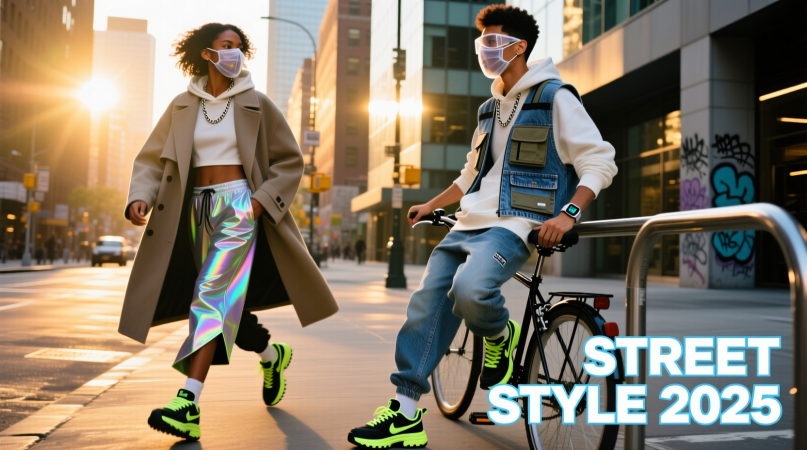
Street style fashion refers to outfits inspired by everyday life, urban culture, and personal creativity rather than high-end designer collections. It is a blend of casual, trendy, and statement pieces, often influenced by subcultures, social media trends, music, and streetwear brands.
Street style fashion emphasizes individuality, comfort, and adaptability. Unlike formal or runway fashion, it is flexible and inclusive, allowing anyone to participate. Common elements include sneakers, oversized jackets, graphic tees, denim, accessories, and layering. Street style is photographed and shared widely on social media, often influencing mainstream fashion trends.
For example, pairing ripped jeans with an oversized hoodie, statement sneakers, and a crossbody bag is a classic street style look that balances comfort and trendiness.
Why is Street Style Fashion Important?
Street style fashion holds significance for several reasons:
- Self-Expression: It allows individuals to showcase personality, mood, and creativity through clothing.
- Trend Influence: Many high fashion trends are inspired by street style looks.
- Accessibility: Street style uses everyday clothing, making fashion more approachable and budget-friendly.
- Cultural Reflection: It reflects urban culture, music, and social trends.
- Wardrobe Flexibility: Encourages mixing and matching to create versatile outfits.
- Confidence Boost: Wearing stylish street outfits improves self-esteem and presence in social settings.
Understanding street style fashion helps you create outfits that are both practical and trendy while reflecting your unique identity.
May be you like it:
Trendy Hats & Caps: The Ultimate Beginner and Intermediate Guide
Belts & Scarves: A Complete Style Guide for Beginners
The Complete Beginner-Friendly Guide to Shoes & Footwear
Detailed Step-by-Step Guide to Street Style Fashion
Step 1: Observe Current Trends
Start by exploring street style inspiration on social media, fashion blogs, and urban neighborhoods. Focus on:
- Popular clothing items (hoodies, oversized jackets, sneakers)
- Color palettes and patterns
- Accessory trends (caps, backpacks, belts)
- Layering techniques and textures
Example: Neon sneakers, graphic tees, and oversized blazers are trending in 2025 street style.
Step 2: Analyze Your Wardrobe
Check your existing wardrobe for pieces that can be adapted to street style looks:
- Casual staples like jeans, t-shirts, and hoodies
- Statement outerwear such as leather jackets or bomber jackets
- Sneakers, boots, or trendy shoes
- Accessories like caps, belts, bags, and jewelry
This helps you incorporate street style without needing an entirely new wardrobe.
Step 3: Start Small
Introduce street style elements gradually:
- Add one statement piece, like graphic sneakers or a bold jacket
- Experiment with casual layering, such as hoodies under coats
- Include trendy accessories like crossbody bags or caps
Example: Pairing a simple t-shirt with cargo pants and chunky sneakers creates a street style look without effort.
Step 4: Mix and Match
Street style thrives on creativity. Combine different elements:
- Mix casual basics with bold statement pieces
- Layer oversized and fitted items for dimension
- Play with textures like denim, leather, and knitwear
Example: Oversized denim jacket over a fitted hoodie, paired with joggers and sneakers.
Step 5: Adapt to Your Lifestyle
Street style is versatile but should match your daily routine:
- Choose comfortable clothing for commuting or walking
- Select pieces suitable for work, school, or casual outings
- Adjust trends to reflect personal taste while staying stylish
Example: Swap heavy jackets for lighter windbreakers in warmer months while keeping the street style vibe.
Step 6: Confidence in Styling
Confidence is essential in street style fashion. Bold colors, oversized silhouettes, or unconventional combinations work best when worn with assurance. Experiment, have fun, and embrace individuality.
Step 7: Seasonal Adaptation
Street style changes with seasons:
- Spring: Light layers, pastel hoodies, denim jackets
- Summer: Breezy t-shirts, shorts, sneakers
- Autumn: Layered jackets, boots, scarves
- Winter: Coats, oversized sweaters, layered street outfits
Adapting your wardrobe seasonally keeps your street style relevant and functional.
Benefits of Street Style Fashion
- Creative Freedom: Encourages experimenting with colors, textures, and layers.
- Affordable Fashion: Uses everyday clothing and high-street brands.
- Versatility: Combines casual, sporty, and statement pieces.
- Trend Awareness: Reflects current fashion movements and urban culture.
- Confidence Boost: Well-styled street outfits enhance self-esteem.
- Social Influence: Trendy street looks are widely shared and can inspire others.
Disadvantages / Risks
- Trend Dependency: Constantly following trends can be overwhelming.
- Overcomplicating Outfits: Too many layers or accessories may look cluttered.
- Comfort vs Style: Balancing bold looks with practicality can be tricky.
- Fast Fashion Impact: Street style often encourages rapid consumption of clothing.
- Personal Style Loss: Excessive trend focus may overshadow individuality.
Common Mistakes to Avoid
- Copying Exactly: Street style is about personal interpretation, not exact replication.
- Overaccessorizing: Too many accessories can distract from the outfit.
- Ignoring Comfort: Clothing should allow mobility and ease.
- Neglecting Fit: Oversized or poorly fitting pieces can look sloppy.
- Clashing Colors or Patterns: Balance bold elements with neutral basics.
- Ignoring Footwear: Shoes are a key component of street style.
May be you like it:
Bags & Purses: A Complete Beginner’s Guide
Fashion Accessories: The Complete Beginner-Friendly Guide
Statement Jewelry: A Complete Beginner and Intermediate Guide to Bold Accessories
FAQs About Street Style Fashion
1. What is street style fashion?
Street style fashion is an everyday fashion trend inspired by urban culture, casual wear, and personal creativity.
2. How can beginners adopt street style?
Start with casual staples, add one statement piece, and experiment with layering and accessories.
3. Are street style outfits suitable for work?
Yes, by adapting elements like jackets or sneakers with neutral basics, you can create professional yet trendy looks.
4. How often do street style trends change?
Street style evolves continuously, influenced by social media, pop culture, and seasonal trends.
5. Can street style include high-end fashion?
Absolutely. Many street style looks mix designer pieces with casual, affordable clothing.
6. Are street style outfits expensive?
Not necessarily. It relies on creativity, layering, and mixing high-street staples with statement pieces.
7. How do I find inspiration for street style?
Follow fashion influencers, social media, street photographers, and observe urban culture.
8. Can anyone wear street style?
Yes, it is versatile, inclusive, and adaptable to different body types, personalities, and lifestyles.
Expert Tips & Bonus Points
- Start with Statement Accessories: Hats, belts, and bags elevate basic outfits.
- Layer Wisely: Combine textures, patterns, and silhouettes creatively.
- Neutral Base: Use neutral clothing items as a foundation for bold statement pieces.
- Invest in Sneakers: Footwear plays a major role in defining street style.
- Adapt Trends to Seasons: Adjust outfits for comfort and weather.
- Confidence is Key: A confident attitude completes any street style look.
Conclusion
Street style fashion is a versatile, accessible, and creative approach to dressing that reflects individuality and urban culture. By exploring trends, analyzing your wardrobe, and gradually incorporating street style elements, you can create outfits that are stylish, practical, and expressive. Street style encourages mixing casual staples with statement pieces, experimenting with layers and textures, and using accessories to elevate your look.
Following street style fashion boosts confidence, enhances social presence, and allows you to showcase personal creativity. While it is important to stay inspired by trends, the best street style outfits balance comfort, practicality, and individuality. By starting small, mixing statement pieces with everyday clothing, and adjusting your look seasonally, anyone can master street style fashion effortlessly.
Ultimately, street style is about self-expression, creativity, and feeling confident in your outfit choices. With thoughtful styling and bold experimentation, your everyday wardrobe can become a canvas for fashion innovation and personal expression. Embrace street style fashion, and turn your daily outfits into a statement of personality, style, and modernity.
May be you like it:
How to Accessorize: A Complete Beginner-Friendly Guide
Personal Style Guide: Build a Look That Truly Feels Like You
Wardrobe Essentials: A Complete Beginner-Friendly Guide to Building a Smart Closet
